does soy protein make you fat Does soy protein reduce 'bad' cholesterol? the debate continues
There has been a lot of debate surrounding the consumption of soy protein and its effect on cholesterol levels. Some studies suggest that soy protein can reduce levels of “bad” cholesterol, while others argue that there is little to no effect. So, what’s the truth? Let’s delve into the controversial world of soy protein and its potential impact on your cholesterol.
Soy Protein and Cholesterol: The Research
Research on the relationship between soy protein and cholesterol has yielded mixed results. Some studies have shown that consuming soy protein can actually help lower levels of low-density lipoprotein (LDL) cholesterol, commonly referred to as the “bad” cholesterol. LDL cholesterol is a major risk factor for heart disease and stroke, so any natural method to reduce its levels is certainly worth considering.
 However, it’s essential to note that not all studies agree on these findings. Some research suggests that the impact of soy protein on cholesterol levels may be minimal, while others have even reported an increase in LDL cholesterol in certain individuals. Consequently, it is crucial to interpret these studies with caution and consider other factors that may influence cholesterol levels.
Individual Factors and Cholesterol
Individual factors, such as genetics and lifestyle choices, can significantly influence cholesterol levels. For example, someone with a family history of high cholesterol may be more predisposed to elevated levels, regardless of their soy protein consumption. Similarly, a sedentary lifestyle and a diet high in saturated and trans fats can contribute to higher cholesterol levels, even if soy protein is included in the diet.
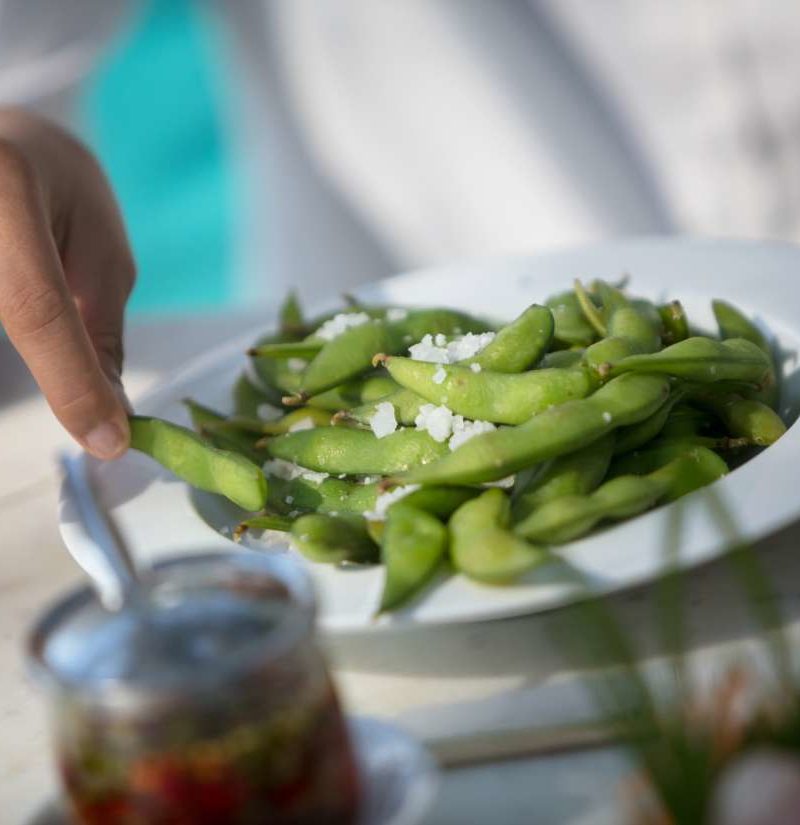
It’s also worth noting that the source and preparation method of soy protein can impact its potential effect on cholesterol. Soy protein in its natural form, such as tofu or edamame, may be more beneficial compared to highly processed soy products, such as soy protein isolates or powders. Opting for whole food sources of soy protein can provide additional nutritional benefits, such as fiber and antioxidants.
 Considering the Big Picture
While the debate on soy protein and cholesterol continues, it’s important to remember that overall dietary patterns and lifestyle choices play a significant role in maintaining healthy cholesterol levels. Incorporating a balanced diet rich in fruits, vegetables, whole grains, and lean proteins, including soy, can contribute to a heart-healthy lifestyle.
Additionally, regular exercise, maintaining a healthy weight, and abstaining from smoking are crucial factors in managing cholesterol levels. These lifestyle choices have been proven to have a more significant impact on cholesterol than any single food or nutrient alone.
In conclusion, the relationship between soy protein and cholesterol is still under debate. While some studies suggest a potential benefit in reducing LDL cholesterol, it’s crucial to consider individual factors, overall dietary patterns, and lifestyle choices. As always, consulting with a healthcare professional or registered dietitian is recommended to determine the best dietary approach for your specific needs.
If you are searching about Does soy protein reduce ‘bad’ cholesterol? The debate continues you’ve came to the right place. We have 5 Pics about Does soy protein reduce ‘bad’ cholesterol? The debate continues like Can Too Much Protein Make You Fat?: Dr.Berg - YouTube, Does Soy Protein Make You Fat – We Are Eaton and also Can TOO MUCH Protein Make You FAT? - YouTube. Here it is:
Does Soy Protein Reduce ‘bad’ Cholesterol? The Debate Continues
www.medicalnewstoday.comDoes Whey Protein Make You Fat If You Don’t Work Out? | CalorieBee
hubpages.comwhey vitamins
Does Soy Protein Make You Fat – We Are Eaton
 www.weareeaton.comCan Too Much Protein Make You Fat?: Dr.Berg - YouTube
 www.youtube.comprotein too much fat make
Can TOO MUCH Protein Make You FAT? - YouTube
 www.youtube.comWhey vitamins. Does whey protein make you fat if you don’t work out?. Protein too much fat make